Controlled Remote Viewing (CRV) grew out of remote-viewing research initiated in 1972 at Stanford Research Institute (SRI), later known as SRI International, in Menlo Park, California. Building on that research, Ingo Swann and physicist Harold E. Puthoff developed a structured training methodology during the late 1970s and early 1980s. The approach was originally known as Coordinate Remote Viewing.
A dedicated three-year CRV training-development programme at SRI ran from 1981 to 1983. Its objective was to turn the procedures developed through earlier research into a systematic training approach that could be taught to personnel selected by the programme’s sponsors.
The intended application was information gathering for military and intelligence purposes: training personnel to attempt to describe distant or otherwise inaccessible targets without conventional sensory access. The methodology was designed to structure the recording of impressions and reduce interference from imagination, premature interpretation, and other sources of misleading information.
U.S. Army personnel received CRV training through SRI contracts during 1982–1984. The methodology was subsequently documented within the military remote-viewing unit, culminating in a manual printed in May 1986 to preserve the approach and guide future training programmes.
PSI Core’s practical work has included a range of CRV tasking formats and analytical tools used to organize session material, document relationships, and support subsequent comparison with external information.
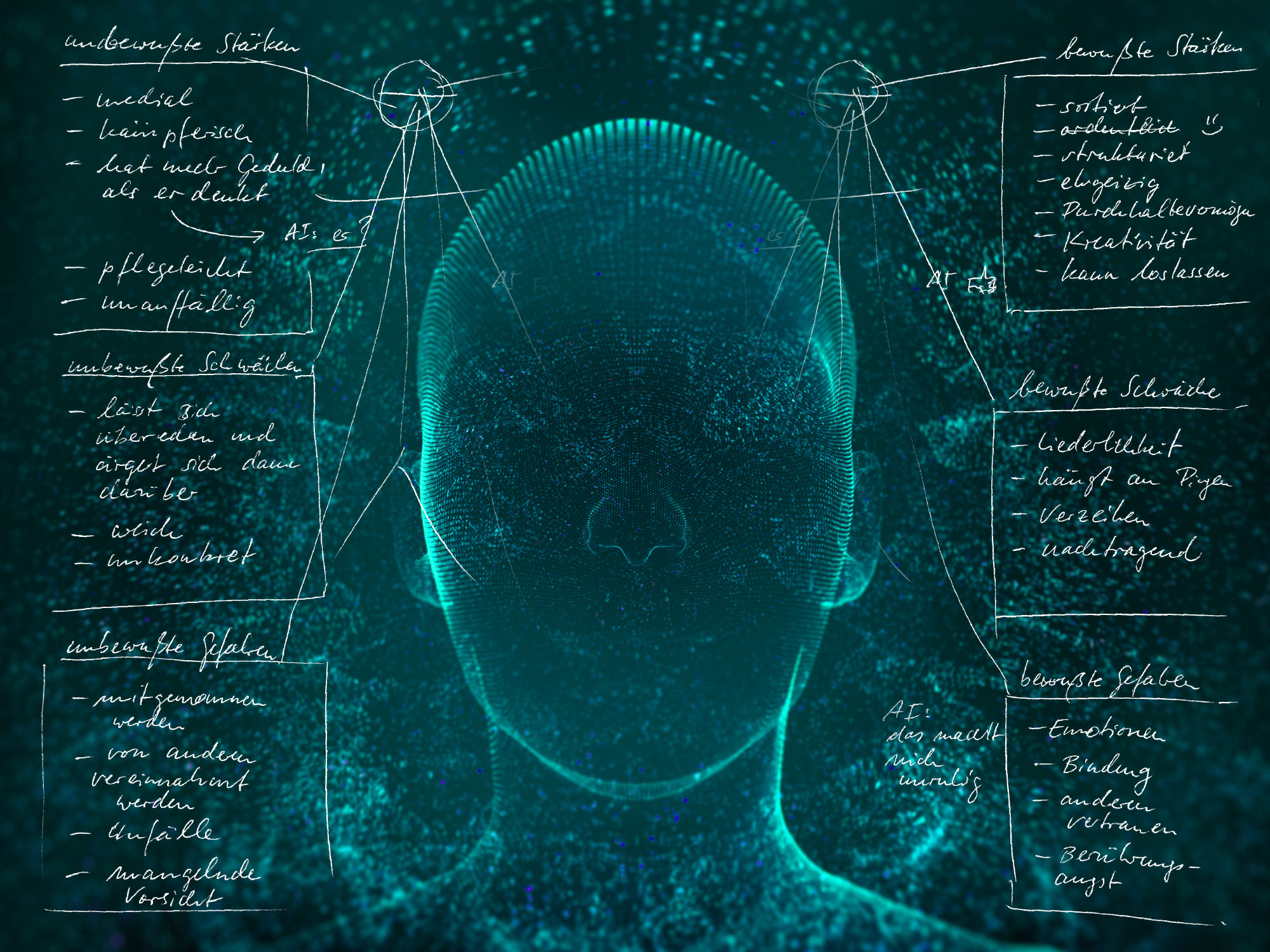
The examples on this page illustrate selected forms of that work. They describe how impressions are recorded and structured within a session or during later analysis. Session material, interpretation, and independent verification remain distinct stages.